Demystifying the Magic: How Routine Checkups Protect Your Health
Routine checkups are more than a mundane task; they are vital for maintaining and improving your health. Think of them as a regular tune-up for your body, akin to maintaining a car. These visits afford healthcare professionals the chance to detect potential problems early, often before symptoms become noticeable. Early detection is a game-changer for numerous health conditions, allowing for more treatment options and a heightened chance of successful management.
The Importance of Early Detection
Imagine discovering a health issue while it's still manageable. Early detection significantly widens treatment possibilities and boosts success rates. For example, conditions such as hypertension or high cholesterol can be intercepted early, thus preventing severe complications like heart disease. Similarly, early screening for cancers, such as colorectal cancer, drastically improves treatment outcomes. By addressing these issues sooner, patients can enjoy a better quality of life and possibly extend their lifespan.
What Happens During a Routine Checkup?
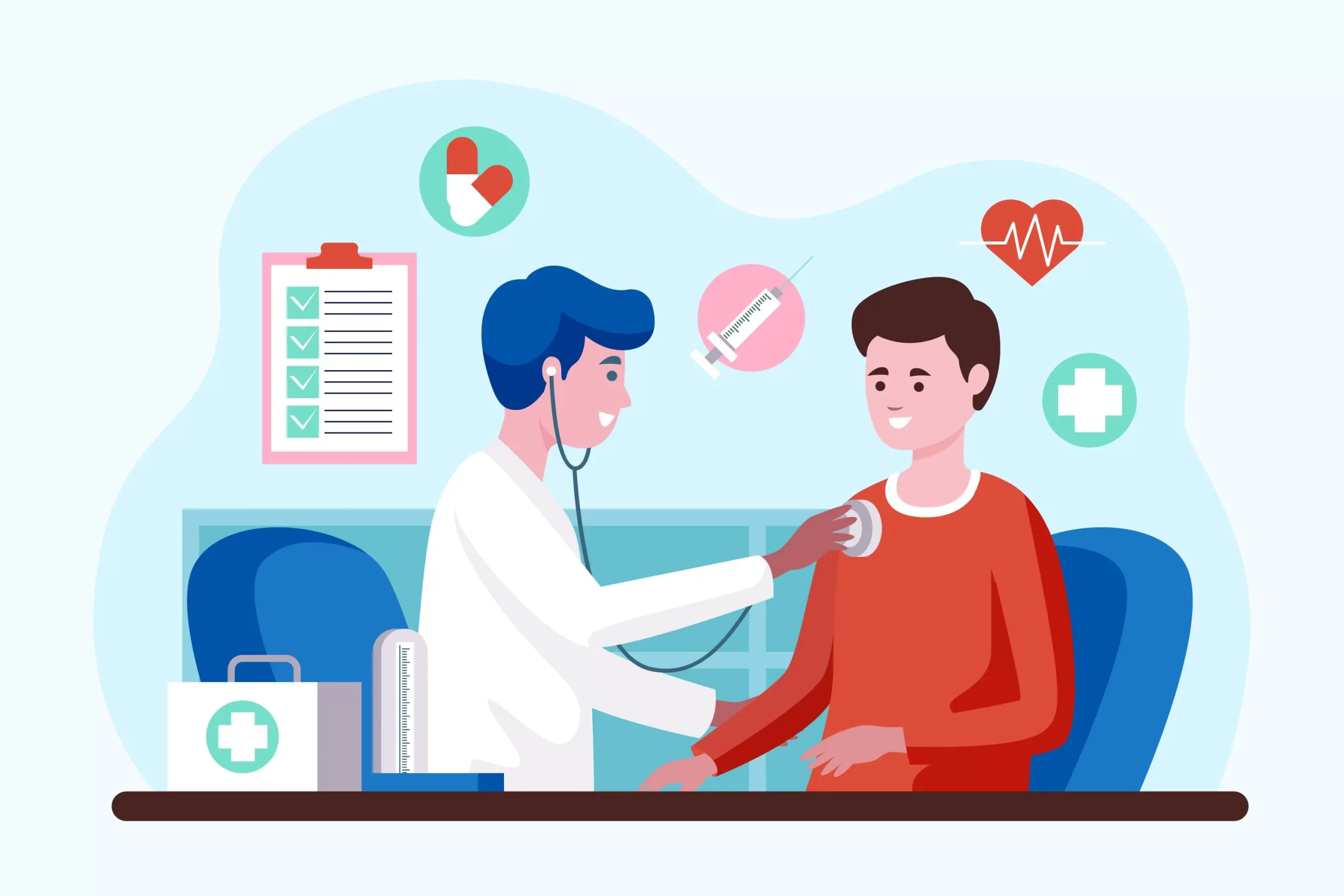
A typical routine checkup includes reviewing your medical history, a physical examination, and possibly screening tests. Your physician will inquire about any symptoms, family history, and lifestyle habits. The physical exam involves checking vital signs like blood pressure and heart rate, listening to your heart and lungs, and examining various body parts. Depending on age, gender, and risk factors, doctors might recommend specific screenings, such as blood tests or cancer screenings, to gather comprehensive insights into one's health.
Preventive Care: A Proactive Approach
Preventive care focuses on taking proactive steps to maintain health and avert diseases. Routine checkups are integral to preventive care, offering the means to identify risk factors and implement strategies reducing the risk of illness. For those with a family history of ailments like diabetes, regular screenings and lifestyle modifications become invaluable tools in preventing disease onset.
Reducing Long-Term Healthcare Costs
Investing in routine health assessments can lead to substantial savings over time. Early detection helps forestall expensive treatments and hospital stays. Effectively managing chronic conditions often prevents complications requiring costly medical interventions. By investing in preventive measures, you not only guard your health but potentially avoid significant financial burdens in the future.
Accessibility and Reducing Barriers
Making preventive care accessible is crucial for improving overall health outcomes. This requires addressing obstacles like limited clinic hours and financial constraints. Some healthcare providers extend clinic hours and send reminders to ensure adherence to regular checkups. Moreover, expanding access to affordable preventive services, particularly for vulnerable groups, forms a foundation for healthier communities and a reduction in emergency room visits.
Surprising Insights: What Your Blood Can Reveal About Your Health
Blood tests offer sophisticated ways to monitor one's health, often highlighting issues before symptoms arise. They are a cornerstone of modern healthcare, providing essential insights into various bodily functions and potential disorders.
Decoding Your Blood: A Wealth of Information
Blood is more than just a fluid; it's a complex carrier of cells, proteins, hormones, and more. Analyzing blood samples allows healthcare providers to assess indicators like cholesterol and glucose levels, or organ function. This comprehensive 'report card' helps detect trends and potential concerns. For chronic diseases like diabetes and heart conditions, blood tests become invaluable for early intervention, thereby significantly enhancing health outcomes.
Early Detection of Disease: A Game Changer
One of the most remarkable aspects of blood tests is their ability to detect diseases in their infancy, often before symptoms manifest. Elevated sugar levels from blood tests can indicate pre-diabetes, prompting early lifestyle interventions. Similarly, blood tests can expose cardiovascular risks, such as high cholesterol or inflammation markers, enabling timely preventive action. Innovations have even introduced tests detecting biomarkers for Alzheimer's and certain cancers, advancing the horizon for early treatment options.
Building a Healthy Future: Preventive Trends Shaping Healthcare
Preventive care is shifting towards proactive health strategies, emphasizing early detection and intervention.
Increased Focus on Preventive Measures
The healthcare landscape now tilts towards prevention, prioritizing regular screenings to spot potential issues early. Organizations encourage routine tests, like blood analyses and physical exams, to preempt serious diseases. For instance, colorectal cancer screenings improve outcomes by allowing early detection and intervention.
Expanding Access to Healthcare Services
Improving healthcare accessibility, especially for underserved communities, becomes a priority. Telehealth now offers consultations from home, ensuring broader reach. These solutions, bolstered by policy expansions, allow more individuals to partake in essential preventive services, fostering better health and wellbeing overall.
Employer-Sponsored Wellness Programs
Employers are increasingly investing in employee health, spearheading preventive initiatives at workplaces. Programs now routinely include health assessments and screenings, supplemented with incentives to encourage participation. This shift towards proactive health management not only cuts potential future medical costs but elevates workforce health.
The Role of Technology: Transforming Ordinary Appointments Into Life-Saving Tools
AI-Powered Triage and Telehealth
Technology is reforming healthcare, making appointments more effective. AI-powered chatbots now assist with preliminary symptom checks, providing instant evaluations before doctor consultations. This innovation alleviates healthcare bottlenecks, enhancing patient experiences by offering immediate assistance and directing patients to appropriate healthcare services.
Advanced Imaging and Radiomics
Medical physicists and imaging experts are optimizing diagnostic technologies, ensuring precision and safety. Innovations in AI-assisted imaging are enhancing diagnostic accuracy, transforming standard medical procedures into personalized interventions. This focus on enhanced diagnostics and safety underscores the vital role technology plays in modern checkups.
Emerging Technologies and Early Diagnosis
Breakthroughs in wearable technology and AI now facilitate proactive health interventions. Devices capturing real-time health data enable detailed analysis, allowing for timely responses to potential health issues. By embracing these technologies, healthcare transforms visits into comprehensive evaluations, boosting preventive care efforts significantly.
Shattering Myths: Common Misunderstandings About Health Checkups
The Myth of "If I Feel Fine, I Am Fine"
Feeling healthy doesn't always equal being healthy. Many conditions, including high blood pressure, often present without symptoms. Regular blood tests can unveil these hidden threats, highlighting issues before they escalate.
The Myth That Checkups Are Only for the Sick
Checkups play a crucial role in maintaining health, regardless of one's current condition. They help identify risk factors and preempt potential issues, ensuring timely intervention. By establishing a health baseline, these assessments furnish vital insights into one’s well-being, guiding long-term health strategies.
Question and Answer
-
What is the role of blood tests in preventive healthcare?
Blood tests play a crucial role in preventive healthcare by providing insights into various health parameters. They help in the early detection of conditions such as diabetes, high cholesterol, and liver or kidney disorders. By identifying these issues early, individuals can take proactive measures to manage their health, potentially preventing the progression of diseases and avoiding more severe health complications.
-
How often should one undergo regular health screenings and blood tests?
The frequency of health screenings and blood tests depends on individual risk factors, age, gender, and medical history. Generally, adults should have a routine checkup that includes blood tests at least once a year. However, those with chronic conditions or a family history of certain diseases may require more frequent monitoring. It's important to consult with a healthcare provider to determine a personalized screening schedule.
-
Why is early detection important in health monitoring?
Early detection is vital because it increases the chances of successful treatment and management of diseases. For instance, conditions like hypertension or diabetes can be managed more effectively if caught early, reducing the risk of severe complications such as heart disease or stroke. Similarly, early detection of cancers can lead to more treatment options and a better prognosis.
-
What are some common barriers to accessing preventive care, and how can they be addressed?
Common barriers to accessing preventive care include financial constraints, lack of transportation, limited clinic hours, and inadequate health insurance coverage. Addressing these barriers involves expanding clinic hours, providing transportation services, offering financial assistance programs, and improving insurance coverage for preventive services. Making healthcare more accessible ensures that more people can benefit from early detection and preventive measures.
-
How can regular doctor consultations contribute to preventive health care?
Regular doctor consultations allow for ongoing monitoring of health status, discussion of any new symptoms, and assessment of risk factors. During these visits, doctors can provide personalized advice on lifestyle changes, vaccinations, and screenings, tailored to individual health needs. This proactive approach helps maintain overall health and prevents the development or worsening of diseases.