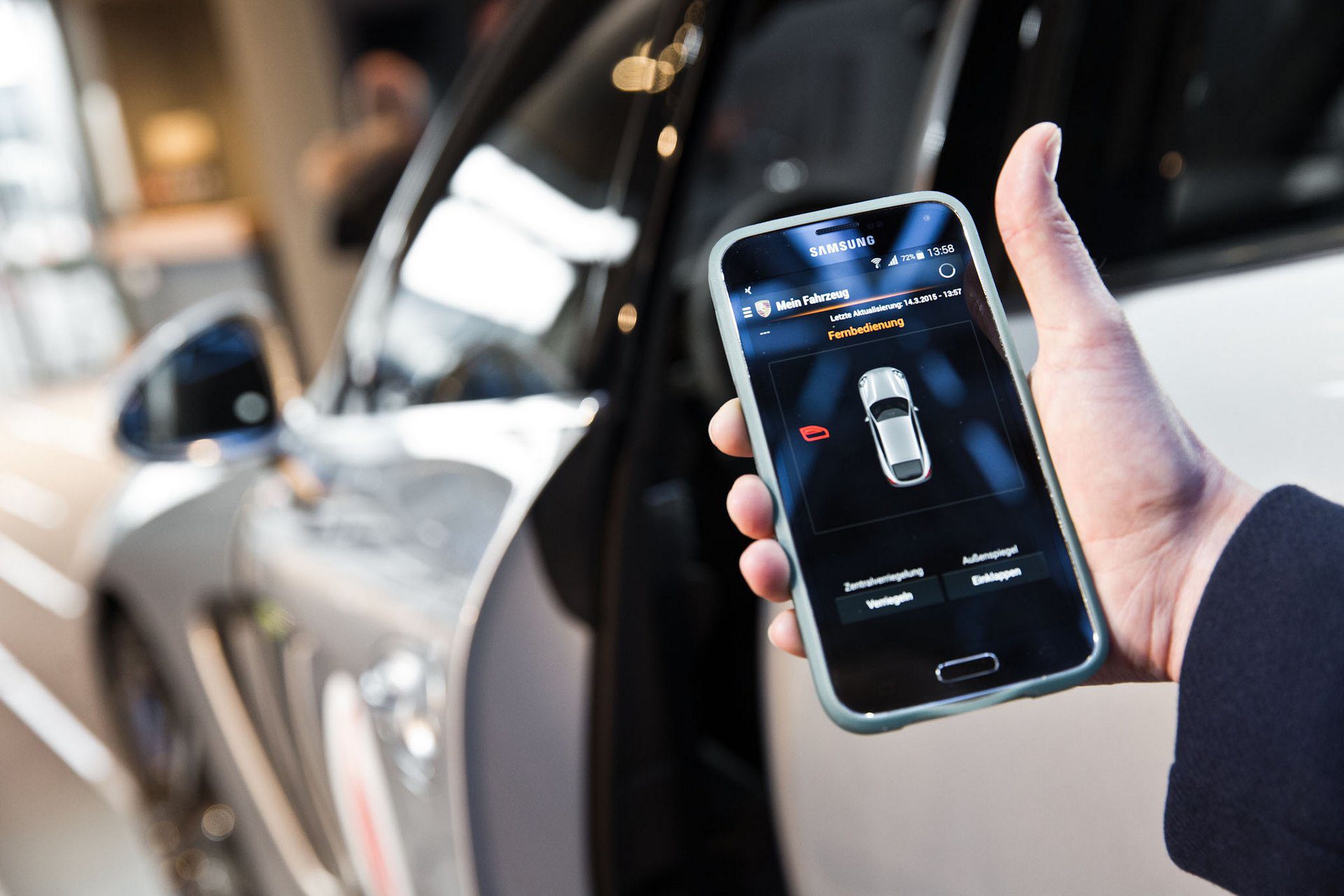
Unlocking the Digital Door: Essential Security for Connected Cars
Connected cars, much like computers on wheels, require robust security protocols to defend against potential threats. These vehicles, packed with advanced features, are reshaping our driving experience. However, the security aspects of these features need careful consideration to protect both the vehicle and its user.
Understanding the Landscape of Threats
The surge in connected devices, cars included, has resulted in an uptick of cyberattacks targeting these systems. Even a minor vulnerability can be exploited to control vehicle functions, steal data, or compromise safety, such as through key fob cloning or software defects in driver-assistance systems. Continuous risk assessment and mitigation are critical to addressing these security weaknesses.
Core Security Measures for Automotive Safety
To safeguard these advanced vehicles, several measures stand out:
- Data Encryption: Securely encrypting vital data makes it unreadable to unauthorized entities, ensuring privacy and protection.
- Regular Software Updates: Just like smartphones, connected cars need frequent updates to fix vulnerabilities and boost security.
- Network Segmentation: Dividing the vehicle's network into discrete sections can prevent unrestricted access, limiting potential breaches.
- Security Audits: Conducting regular audits helps pre-emptively uncover and fix security holes before they cause harm.
Together, these measures contribute to a safer, more secure connected vehicle environment—where both the vehicle's integrity and user data remain protected.
Privacy on the Road: Data Concerns in Modern Vehicles
Modern vehicles collect a staggering amount of personal data through various sophisticated sensors and systems. This aggregation of information raises substantial privacy concerns, likening your car to a smartphone on wheels that knows more about you than your closest friends.
Data Collection: What Your Car Knows About You
Connected cars gather data about your location, driving habits, and even biometric details, offering insights that may exceed your own self-awareness. This information is crucial for enhancing service accessibility and safety but also poses significant privacy questions.
Vulnerabilities and Protection
Default passwords and weak encryption in connected car systems can open doors to unauthorized access and data theft. As manufacturers work on strengthening these defenses, the constant innovation in hacking techniques means it's an evolving race against cybercriminals.
Policy and Consumer Rights
The evolving regulatory landscape occasionally struggles to keep pace with the rapid technological advancements in connected cars. Stronger privacy regulations can ensure transparency about data use, prompting manufacturers to better inform consumers about data collection practices and fortify consent mechanisms.
The Rise of Smart Systems: Balancing Innovation and Security
As the connectivity in cars increases, so does the potential for cyber vulnerabilities. However, the allure of smart vehicle systems remains, with features that promise to revolutionize the automotive industry.
AI-Driven Enhancements and Risks
AI introduces significant advancements, such as predictive maintenance and voice-assisted systems, which enhance the driving experience. However, these same AI features can pose risks, providing gateways for cyber attacks if not secured properly.
AI in Automotive Cybersecurity: A Double-Edged Sword
The application of AI in automotive security is both promising and challenging. Its role in safeguarding connected vehicles cannot be understated, yet it requires thoughtful implementation to avoid creating additional security risks.
AI as a Security Asset
AI's ability to analyze data in real-time ensures rapid threat detection and response. Its role in enhanced authentication, using biometrics for a more secure user verification process, strengthens defense frameworks significantly.
The Pitfalls of AI Utilization
Despite its advantages, AI can also complicate security landscapes. AI-driven attacks can bypass traditional security measures, while the increased system complexity could introduce new vulnerabilities.
Regulatory and Industry Responses
Efforts are underway to standardize security regulations and implement frameworks tailored specifically for connected cars. Regular resilience testing, alongside proactive regulatory measures, is vital to maintaining a robust defense against potential cyber threats.
The Future on the Digital Highway: Embracing Innovation and Safety
As car connectivity grows, the balance between innovative features and security becomes increasingly essential. Navigating this landscape involves understanding threats, implementing effective security measures, and making informed decisions regarding data sharing.
Real-Time Software Updates
By embracing real-time software updates, connected cars can receive necessary upgrades and security patches seamlessly. This practice ameliorates many of the security and performance concerns associated with outdated systems, enhancing the overall safety and efficacy of connected vehicles.
The widespread adoption of real-time updates further underscores the significant strides being made toward ensuring that these updates enhance rather than hinder safety in connected vehicles.
Driving into the future, it is crucial to embrace the technology that connected cars offer while also implementing the requisite protections and privacy measures to ensure that they contribute positively to our daily lives. The digital highway in connected vehicles is a promising journey, and with careful navigation, it can lead to a safe, secure, and exciting future.
Question and Answer
-
What are the primary security risks associated with cloud data in connected vehicles?
Cloud data in connected vehicles poses several security risks, including data breaches due to misconfigured cloud settings, account hijacking, and malware attacks. These vulnerabilities can expose sensitive personal information and compromise vehicle functionality. To mitigate these risks, it's crucial to implement robust cloud security measures, such as regular security audits, encryption, and strict access controls, ensuring that only authorized personnel can access the data.
-
How do real-time updates enhance the functionality of smart vehicle systems?
Real-time updates significantly enhance smart vehicle systems by ensuring that software and security protocols are always current. These updates can fix bugs, patch vulnerabilities, and improve system performance without requiring a visit to a service center. Additionally, real-time updates enable the seamless integration of new features and improvements, providing drivers with an optimized and secure driving experience. However, ensuring the security of these updates is crucial to prevent malicious interventions.
-
What role does Internet access play in vehicle tracking and smart systems?
Internet access is fundamental for vehicle tracking and the operation of smart systems in connected cars. It allows for real-time data exchange between the vehicle and external systems, facilitating navigation, traffic updates, and emergency services. This connectivity also supports advanced driver-assistance systems (ADAS) by providing up-to-date information that enhances safety and efficiency. However, ensuring secure internet connections is vital to prevent unauthorized access and protect user privacy.
-
What measures can be taken to mitigate security risks in smart vehicle systems?
To mitigate security risks in smart vehicle systems, several measures can be implemented, such as data encryption, regular software updates, and network segmentation. Data encryption ensures that intercepted information remains unreadable to unauthorized parties. Regular updates patch vulnerabilities and improve system defenses, while network segmentation limits the impact of a breach by isolating critical systems. Additionally, employing a Zero Trust security approach and conducting frequent security audits can further bolster defenses against cyber threats.
-
How does vehicle tracking leverage cloud data to improve efficiency and safety?
Vehicle tracking leverages cloud data to enhance efficiency and safety by providing real-time location tracking, route optimization, and predictive maintenance alerts. This data-driven approach allows fleet managers to monitor vehicle performance and driver behavior, leading to reduced fuel consumption and improved safety protocols. Additionally, cloud-based tracking systems can facilitate quick responses to emergencies and streamline logistics operations, ultimately contributing to more efficient and safer transportation networks.