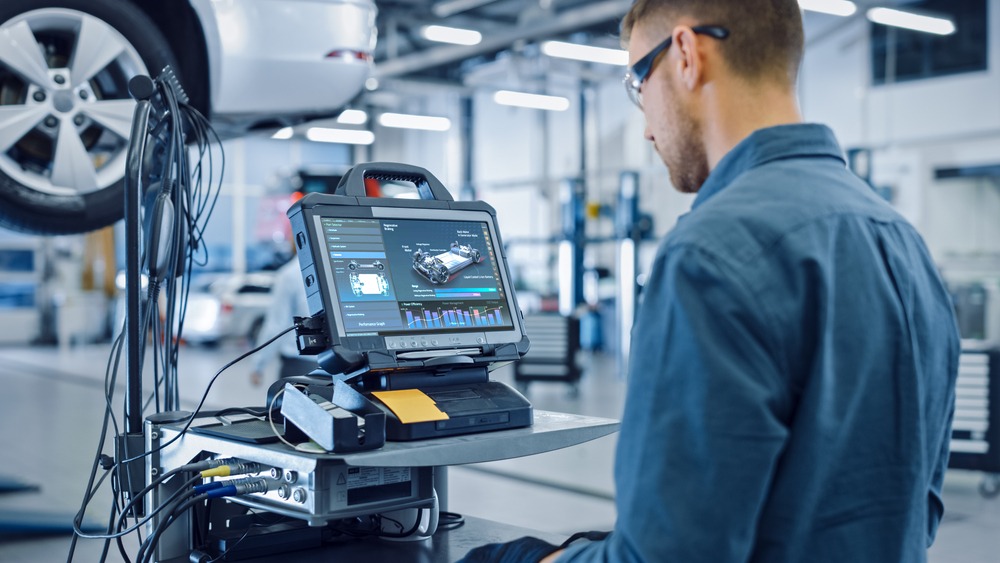
Decoding the Mystery: How Real-Time Data Transforms Vehicle Diagnostics
The OBD-II system has significantly progressed from its origins, offering unparalleled insights through real-time data. This transformation is revolutionizing vehicle diagnostics by providing analytics that ensure prompt detection of issues and performance optimization.
Instant Insights into Vehicle Performance
Modern diagnostic tools have transcended mere error code reading, now offering real-time access to a myriad of performance metrics like engine temperature, fuel pressure, and sensor readings. This comprehensive data allows technicians to spot subtle variations that may indicate emerging issues, such as a failing fuel pump, and address these before they lead to major dysfunctions. Such precision ensures maintaining the vehicle at its optimal performance level, reducing the likelihood of catastrophic failures.
Remote Diagnostics and Cloud Connectivity
Today’s cloud-based diagnostic platforms augment the capabilities of real-time data, enabling remote tuning, firmware updates, and decentralized diagnostics. Technicians can access diagnostic details on mobile devices, a boon for modern vehicles with intricate electronic systems. This connectivity eliminates the need for outdated software and boosts efficiency in problem resolution. Imagine technicians monitoring a fleet remotely, swiftly identifying and addressing potential faults to prevent breakdowns.
Enhanced Diagnostic Speed and Accuracy
Real-time data integration has drastically shortened diagnostic timelines and improved precision. By streaming live data, technicians can swiftly identify issues’ root causes, observing system interactions and highlighting patterns that traditional methods might overlook. For complex systems like advanced driver-assistance systems (ADAS) and hybrid powertrains, this capability is indispensable. Technicians can instantly interpret data from systems such as tire pressure monitoring, ensuring system compliance and reliability.
Comprehensive System Monitoring
Advanced scanners now provide OE-level diagnostics across all vehicle systems. Their capabilities include bi-directional control, instant fault code reading, and real-time data streaming, which elevate repair processes’ efficiency and accuracy. With these tools, technicians conduct thorough assessments, ensuring all vehicle systems function optimally, thereby reducing downtime and enhancing operational reliability.
Broadened Support for Modern Vehicles
Contemporary platforms enable full diagnostic and tuning support for newer vehicles through direct OBD-II integration. This advancement ensures seamless access to crucial engine and system information, boosting diagnostic accuracy and speed. Even with sophisticated vehicle architectures, robust diagnostic practices ensure effective maintenance and timely issue resolution.
Beyond Error Codes: Tailored Maintenance Alerts
Vehicles today offer more than traditional error codes; they deliver tailored maintenance alerts through sophisticated systems capable of predicting potential issues. This advancement is akin to vehicles communicating with their owners, providing anticipatory insights into maintenance needs.
Proactive Insights
Vehicles are fitted with multiple modules that collect and analyze data to create bespoke maintenance alerts. These go beyond traditional errors, offering advanced insights into a vehicle’s health. Proactively addressing potential issues reduces the risk of unexpected breakdowns, enhancing vehicle reliability and performance.
Personalized Notifications
Tailored alerts account for factors like driving habits and component wear, offering bespoke notifications. For instance, alerts might suggest tire rotations according to driving patterns or notify about potential battery issues before they strand a driver. Such integrations with apps and cloud platforms make proactive maintenance more attainable and effective for vehicle owners.
Predictive Maintenance
This transition from reactive to predictive maintenance reshapes the automotive industry by enhancing vehicle safety, minimizing downtime, and enriching ownership experiences. Vehicles now possess the capability to anticipate needs before failures occur, profoundly reshaping maintenance protocols and improving overall vehicle efficiency.
Fleet Management Integration
For businesses managing fleets, tailored diagnostic systems offer substantial benefits by syncing real-time data to fleet management platforms. They provide predictive insights that surpass standard error codes, aiding in optimizing vehicle health, adhering to safety standards, and addressing compliance requirements efficiently.
Real-World Applications
These maintenance alerts range from monitoring tire pressure to engine performance. Systems like TPMS offer alerts for sensor health, aiding timely replacements and calibrations. By examining real-time data, TPMS enhances diagnostics, ensuring vehicles remain efficient and safe.
Sensors on the Rise: Elevating Precision in Vehicle Health Analysis
The integration of advanced sensors in vehicles is pivotal, affording a granular view of vehicle health. These sensors not only detect faults but enable predictive diagnostics, substantially benefitting vehicle health evaluation.
The Expanding Role of Sensors
Sensors are extensively embedded throughout vehicles, constantly monitoring critical parameters from engine performance to brake functionality. This data offers deep insights into the vehicle’s condition, allowing for swift and precise health assessments, which enhance road safety and reliability.
Real-Time Tire Pressure Monitoring
Significant advancements, like TPMS, provide real-time tire data, crucial for diagnosing slow leaks or underinflation. Maintaining ideal tire pressure improves fuel efficiency and vehicle safety through optimal handling and braking, further underscoring TPMS's diagnostic value.
The Power of Advanced Protocols
Modern vehicles adopt sophisticated communication protocols such as CAN-FD and DoIP to manage vast sensor data, facilitating rapid data transfers and broad ECU access. These innovations support modern vehicle designs, ensuring diagnostic tools remain efficient and compatible with evolving sensor technologies.
Sensor-Driven Diagnostic Tools
Diagnostic tool companies continue to enhance their offerings, integrating sensor-driven solutions to substantially bolster diagnostic accuracy and efficiency. These tools offer direct OBD diagnostics and sensor testing, streamlining issue identification and resolution processes.
Cloud-Based Monitoring and Diagnostics
Cloud-based platforms harness sensor data for real-time vehicle health monitoring, offering users unprecedented access to vital parameters, notifications about issues, and maintenance scheduling. This approach revolutionizes diagnostic practices, making health analysis accessible and convenient.
Gadgets Galore: Exploring the Latest in Diagnostic Tools
The ongoing evolution of OBD-II tools provides rich solutions for diagnosing and maintaining vehicles. From handheld scanners to cutting-edge cloud-connected devices, these tools vastly improve diagnostic processes.
Advanced Diagnostic Scanners
Sophisticated scanners offer extensive diagnostics, accessing data across vehicle systems like engine, ABS, and airbags. These tools ease pinpointing issues, facilitating necessary resets post-repair, ensuring devices remain vital for efficient diagnostics and vehicle maintenance.
Heavy-Duty Truck Scanners
Specialized diagnostic tools have extended beyond passenger vehicles, benefiting heavy-duty trucks with scanners tailored to diverse needs like engine and emission diagnostics. These tools ensure trucks remain operational and compliant, reinforcing fleet reliability.
Cloud-Based Diagnostic and Tuning Devices
Cloud technology integration in diagnostics and tuning offers seamless communications, firmware updates, and remote support, enhancing vehicle monitoring and maintenance significantly. This connectivity allows for effective collaboration between technicians and vehicle owners, facilitating efficient repair and maintenance practices.
Custom Tuning Platforms
For performance enthusiasts, platforms enabling custom engine tuning through the OBD-II port create optimization opportunities without hardware changes. These tools empower car enthusiasts to elevate their vehicles’ power and efficiency, extending customization and enhancement capabilities significantly.
Wireless Data Modules
For streamlined diagnostics, wireless data modules offer a convenient solution, connecting through the OBD-II port and transmitting real-time data to mobile apps. These tools deliver operational efficiency and comprehensive diagnostics to owners and technicians.
The OBD-II evolution marks a substantial advancement in vehicle diagnostics, fostering innovation through real-time data integration and predictive maintenance. These technologies fundamentally transform vehicle repair practices, improving vehicle reliability and safety while optimizing operational efficiencies.
Q&A
-
What is OBD-II and how does it function in vehicles?
OBD-II (On-Board Diagnostics II) is a standardized system implemented in most vehicles since 1996, used for monitoring vehicle performance and diagnosing faults. It provides real-time data and standardized diagnostic trouble codes (DTCs) that can be read using a compatible scanner or reader. OBD-II interfaces with various sensors throughout the vehicle to monitor emissions, engine performance, and other critical systems.
-
How do OBD-II error codes help in vehicle maintenance?
OBD-II error codes, also known as diagnostic trouble codes (DTCs), help identify specific issues within a vehicle. Each code corresponds to a particular problem, such as a malfunctioning sensor or system fault. By accessing these codes, technicians can quickly diagnose issues, reducing the time and cost associated with vehicle repairs. Regularly checking these codes can also help in preemptive maintenance, preventing small issues from becoming major problems.
-
What role do sensors play in the OBD-II system?
Sensors are integral to the OBD-II system as they continuously monitor various components of the vehicle, such as the engine, exhaust, and fuel system. These sensors collect data on parameters like temperature, pressure, and emissions levels. If a sensor detects a deviation from standard operating conditions, it triggers an error code that can be accessed through the OBD-II system, facilitating timely diagnosis and repair.
-
How can data analysis improve the use of OBD-II systems?
Data analysis can enhance the effectiveness of OBD-II systems by interpreting the vast amounts of data collected from vehicle sensors. Advanced analysis tools can identify patterns and trends in vehicle performance, predict potential failures, and optimize maintenance schedules. This proactive approach not only improves vehicle reliability but also enhances fuel efficiency and reduces environmental impact by ensuring emissions systems function correctly.
-
What are maintenance alerts in the context of OBD-II, and how do they benefit vehicle owners?
Maintenance alerts generated by the OBD-II system notify vehicle owners of upcoming service requirements or potential issues. These alerts can include reminders for routine maintenance tasks such as oil changes or inspections, as well as warnings about detected faults. By adhering to these alerts, vehicle owners can maintain optimal vehicle performance, extend the lifespan of their vehicle, and avoid costly repairs by addressing issues promptly.