The Silent Spread of Everyday Chemicals
Many chemicals are an unseen part of our daily lives, present in everyday items and environments. From household products to industrial waste, their spread is often silent but significant.
The Ubiquitous Presence of PFAS
Per- and polyfluoroalkyl substances (PFAS) are a group of man-made chemicals known for their persistence in the environment, earning them the nickname "forever chemicals." These are found in non-stick cookware, stain-resistant fabrics, and food packaging. Despite their utility, these chemicals pose a significant threat to public health and the environment due to their resistance to breakdown and potential for bioaccumulation.
Health Risks Associated with Chemical Exposure
Beyond PFAS, numerous other chemicals silently infiltrate our ecosystems and bodies. Common pollutants such as volatile organic compounds (VOCs) and heavy metals can cause significant health issues, even at low levels of exposure.
One concerning pathway is through drinking water contamination. Many chemicals leach into water systems from industrial discharges, agricultural runoff, or even consumer products. Chronic exposure to these pollutants is linked to diseases such as certain cancers and neurological disorders. Advanced AI-based monitoring systems are enhancing the detection of these contaminants, pushing for improved public health measures and awareness.
The Role of Drinking Water Contamination
Contaminants in drinking water often provide a direct line of exposure to harmful chemicals. Various pollutants can seep into water supplies through several channels: industrial waste, agricultural activities, and household use being the primary contributors.
Authorities are increasingly focused on updating water safety guidelines to protect public health. New technologies play a critical role in this effort. For example, AI-driven analysis combined with sensitive mass spectrometry techniques allows for the precise identification and quantification of emerging contaminants. This progress in contaminant detection encourages more informed and comprehensive risks assessments while advocating for necessary policy changes to ensure our water remains safe to drink.
How Polluted Places Are Closer Than You Think
We may picture pollution as a distant issue, isolated to factories and industrial parks. However, studies reveal that contaminated sites often exist within our own communities.
Unveiling Hidden Hotspots: Beyond Industrial Zones
Pollution is no longer confined to what we traditionally see as risky areas. A worrying number of pollution hotspots are emerging in everyday settings - neighborhoods, parks, and schools are increasingly identified as high-risk zones due to historical industrial activity or proximity to waste sites.
Contaminants like heavy metals, microplastics, and PFAS are now found in urban areas previously considered clean. Our preconceived notions of location safety must adapt as these challenges unfold, urging us to scrutinize our surroundings more closely and advocate for urban planning strategies that prioritize cleaner, greener communities.
The Invisible Threat: Everyday Exposure
While industrial sites are often the focus of pollution discussions, everyday products in our homes and workplaces are equally concerning. Many consumer goods, from furniture to electronics, contain chemicals such as phthalates and flame retardants. These can degrade and accumulate in indoor air and dust, contributing to a constant, though often unnoticed, exposure.
Understanding this insidious form of pollution is vital. Continuous low-level exposure to such chemicals can lead to cumulative health effects, particularly in vulnerable populations such as children and the elderly. Strengthening product safety regulations and promoting awareness can help mitigate these exposures.
Unequal Burdens: Socioeconomic Disparities
Environmental hazards disproportionately affect low-income communities. These areas often find themselves near industrial sites or waste disposal facilities, leading to higher exposure levels and associated health risks.
This disparity highlights an urgent need for environmental justice. Comprehensive and equitable policies must ensure all communities, regardless of socioeconomic status, have access to clean environments. Community-driven initiatives and robust regulatory frameworks can help balance these inequities, promoting healthier environments for future generations.
Unveiling the Toxic Trail: From Factories to Food
The journey of food from its source to our tables is fraught with contamination risks that can introduce a suite of hazardous chemicals into our diets.
Industrial Emissions and the Environment
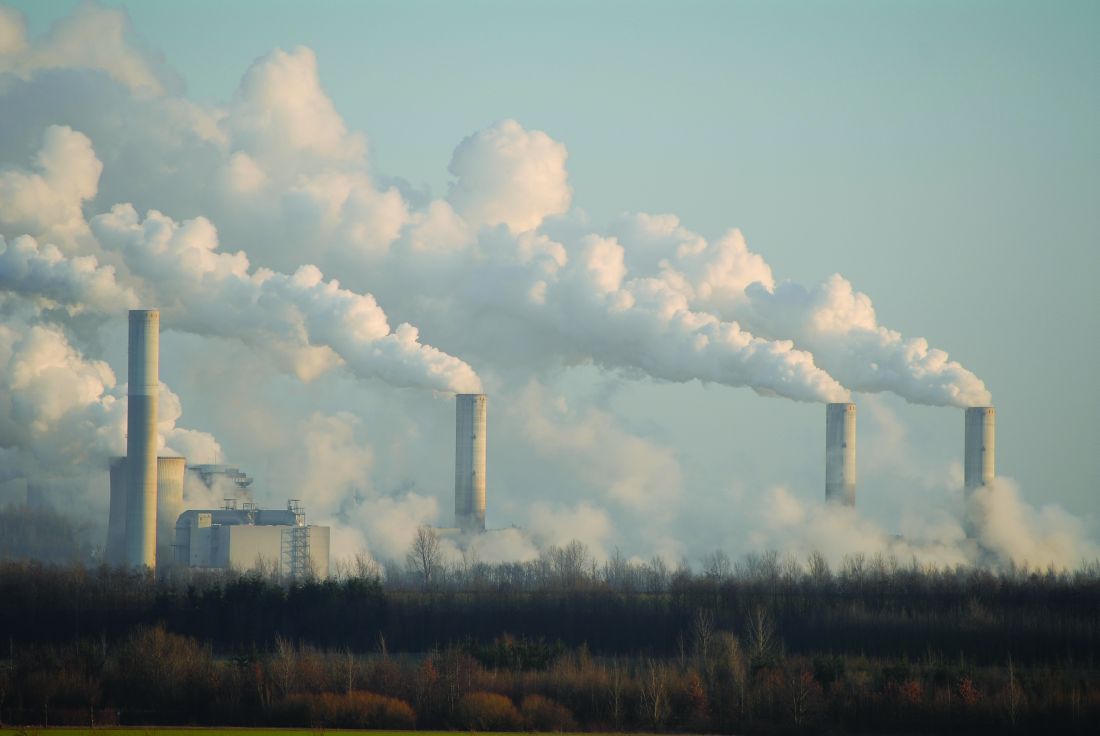
Factories, while crucial for production, are major contributors to environmental pollution. Their emissions can contaminate the surrounding air, water, and soil, introducing heavy metals and industrial chemicals into ecosystems. Strict regulations and technological advancements are required to minimize harmful emissions and curb their widespread impact.
Contamination of the Food Chain
Once pollutants enter the environment, they often find their way into the food chain. For instance, mercury from industrial emissions can accumulate in fish, posing serious health risks upon human consumption. Equally, soil contaminated with pollutants affects crops, passing contamination along the food pipeline.
This progression stresses the importance of vigilant environmental monitoring and sustainable farming practices. Policies that promote reduced chemical inputs and enhance soil and water conservation are key to protecting our food sources.
The Role of Food Preservation
Food preservation methods using synthetic chemicals can add yet another layer of contamination. While these are effective for extending shelf life and preventing spoilage, they may also pose health risks due to chemical residues.
Innovations in food preservation, such as using natural substances, hold promise for reducing this toxic burden. Integrating these methods requires widespread adoption and consumer education to shift towards safer food storage and packaging solutions.
Common Myths About Chemical Safety
Misconceptions about chemical safety abound, often causing unwarranted complacency and unnecessary risks. A better understanding of these myths can lead to more informed choices and safer environments.
The Myth of "Safe" Levels
A common belief is that chemicals pose no threat if present at low levels. However, certain substances can exert significant health effects even at minimal concentrations, augmented by prolonged exposure. The complex interaction of multiple chemicals further complicates this narrative, necessitating a cautious approach to chemical safety.
The Dark Roast Acrylamide Assumption
Contrary to what many believe, darker roast coffee doesn't always mean safer regarding acrylamide levels. While acrylamide is a known carcinogen, the overdose conditions which have demonstrated associated risks are not generally reflective of typical human consumption. This highlights the importance of nuanced understanding of food safety and chemical exposure.
The Myth of Pre-Market Chemical Testing
Not all chemicals undergo rigorous safety testing before hitting the market. Regulations vary, and loopholes might permit potentially hazardous substances in products without comprehensive analysis. This underscores the need for robust regulatory oversight and transparent consumer communications to ensure protection against chemical risks.
"Natural" Equals Safe
The label "natural" often implies safety, yet many natural substances can be toxic. Arsenic is a prime example, highlighting that the danger lies not in the origin but in the substance's properties and interactions with biological systems. Rigorous assessment and clear labeling are essential for consumer safety.
The "It Won't Affect Me" Fallacy
Many assume chemical threats are remote and irrelevant to their lives. However, the widespread nature of chemical pollutants means no one is immune. Whether through direct exposure via water contamination or indirect via food chains, these unseen threats can have far-reaching impacts, encouraging an all-inclusive view of environmental health.
Question and Answer
-
What is environmental toxicology and how does it relate to human health?
Environmental toxicology is the scientific study of how environmental pollutants and toxic substances affect living organisms, including humans. It examines the sources, effects, and mechanisms of toxicity, providing critical insights into how pollutants like heavy metals, pesticides, and industrial chemicals impact human health. Understanding these interactions helps in developing strategies to mitigate adverse health effects, such as respiratory diseases or cancer, caused by long-term exposure to these toxins.
-
How does bioaccumulation affect ecosystems and human health?
Bioaccumulation refers to the gradual accumulation of substances, such as pesticides or other chemicals, in an organism. It occurs when an organism absorbs a toxic substance at a rate faster than it can eliminate it. This process can have significant ecological and health impacts, as toxins magnify up the food chain. For example, mercury bioaccumulates in fish, which, when consumed by humans, can lead to neurological damage and other health issues. Bioaccumulation disrupts ecosystems by affecting reproductive success and survival rates of various species.
-
What is chemical risk assessment and why is it important in environmental management?
Chemical risk assessment is a process used to evaluate the potential health risks posed by exposure to chemicals. It involves hazard identification, dose-response assessment, exposure assessment, and risk characterization. This process is crucial in environmental management as it informs regulatory decisions and helps in the development of guidelines to protect public health and the environment. By understanding the risks associated with chemical exposure, policymakers can implement safety standards and intervention strategies to minimize adverse effects on human health and ecosystems.
-
Why is contaminant monitoring essential in managing pollution exposure?
Contaminant monitoring involves the systematic sampling and analysis of environmental media (air, water, soil) to detect the presence and concentration of pollutants. It is essential for managing pollution exposure as it helps identify contamination sources, assess compliance with environmental regulations, and evaluate the effectiveness of pollution control measures. Regular monitoring is critical for early detection of potentially harmful substances, enabling timely interventions to protect public health and preserve environmental quality.
-
What role does ecotoxicology play in understanding the impact of pollutants on ecosystems?
Ecotoxicology is the study of the effects of toxic chemicals on biological organisms, particularly within the context of ecosystems. It helps in understanding how pollutants affect the structure and function of ecosystems, including changes in species diversity and ecosystem services. By assessing the ecological risks of pollutants, ecotoxicology provides valuable information for developing conservation strategies and regulatory policies aimed at reducing environmental damage and ensuring sustainable ecosystem management.