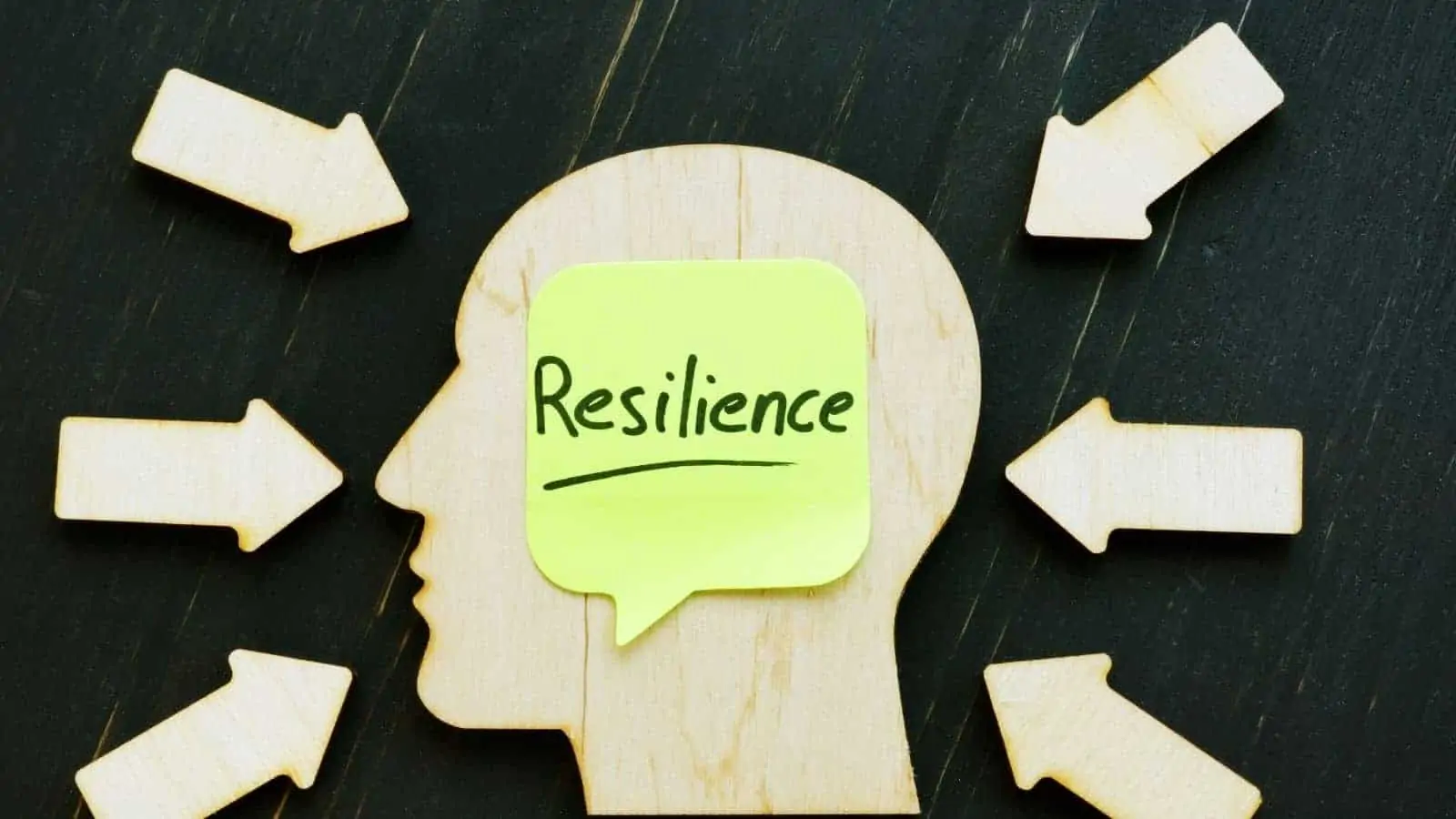
Understanding the Core of Mental Resilience
Mental resilience involves more than just enduring life's challenges. It is a dynamic interplay of adaptability and emotional recovery, helping individuals thrive against adversity.
The Power of Psychological Flexibility
Psychological flexibility, a key pillar of resilience, involves the ability to pivot your thoughts and habits in response to changing circumstances. Unlike rigid responses, flexibility allows for alternative approaches. Picture planning a picnic interrupted by rain; the flexible thinker shifts to an indoor activity instead of remaining disappointed. This ability to adjust doesn't just apply to trivial situations but also to significant life stressors like losing a job or experiencing personal loss.
Research supports the link between flexibility and reduced instances of PTSD and depression during challenging periods. By learning to adapt and transform approaches to align with current demands, individuals can navigate not only life's inevitable inconveniences but also its profound crises with greater ease.
The Role of Cultural Confidence
Cultural identity serves as a robust anchor during adversities. Feeling grounded in one's heritage allows a sense of belonging and strength. Cultural pride can create a sense of being part of something greater, which empowers individuals, especially in challenging times. Celebrations and traditions offer comfort, and integrating this pride into education can strengthen resilience, particularly in youth.
For example, the connection to cultural roots often provides a buffer against stress and fosters solidarity, leading to increased resilience in adverse situations. Encouraging cultural pride through education can serve as a preventive strategy, reinforcing mental toughness and community ties.
Comprehensive Approaches to Mental Well-being
Resilience extends beyond individual efforts, embedded within societal responsibility. Promoting mental health across populations involves early intervention, bolstering shared resources to mitigate socio-economic stresses that threaten well-being. Access to quality education, healthcare, and social services significantly enhances resilience, particularly for vulnerable groups. Reducing stigma and fostering mental health awareness within communities further fortifies psychological resilience, recognizing its deep connection to holistic well-being.
Building Strength: From Self-Confidence to Emotional Recovery
Resilience development, akin to skill-building, demands attention and practice, with self-confidence playing a critical role in emotional recovery.
Leveraging Digital Tools for Resilience
Today’s technological advances offer significant support for developing resilience. Digital platforms like apps and programs now provide accessible, crucial strategies for bolstering mental well-being. These tools incorporate strategies like guided meditations and cognitive exercises to help manage stress and improve flexibility in thinking. Not only do they render mental health resources more scalable, but they also dissolve barriers to accessing professional guidance, supporting individuals in their pursuit of resilience.
The Power of Social Capital
Strong social networks underpin personal resilience, providing emotional, logistical, and sometimes even financial support. These networks create a system of social capital comprising relationships that offer advice and assistance during adversity. Building and nurturing these connections is essential for fostering resilience since having support can significantly ease the journey through hardship. Recognizing the importance of these relationships can lead to a more integrated approach in supporting community-based resilience strategies.
Cultivating Self-Confidence
Confidence serves as a vital component in surviving life’s challenges. This inner belief in one's capabilities encourages perseverance when faced with obstacles. Techniques for enhancing self-confidence might include setting realistic goals, celebrating achievements, and viewing mistakes as educational opportunities rather than pitfalls. With each triumph, however small, resilience strengthens, providing a foundation for future challenges.
Navigating Challenges with a Growth Mindset and Positive Thinking
A transformative mindset is integral to resilience, where adopting a growth mindset coupled with positive thinking reshapes how challenges are perceived.
Embracing a Growth Mindset
A growth mindset revolves around the belief in the potential for development through effort and learning. This is in contrast to a fixed mindset, where abilities are viewed as inherent and unchangeable. By seeing challenges as opportunities rather than threats, individuals with a growth mindset embrace learning from mistakes and persist despite adversity. Focusing on progress rather than solely on outcomes can cultivate resilience, enriching one's approach to personal advancement.
The Benefits of Positive Thinking
Positive thinking does not ignore reality but frames situations optimistically, maintaining motivation in difficulty. Emphasizing gratitude, challenging negative thoughts, and participating in fulfilling activities can bolster resilience by fostering optimism. Surrounding oneself with uplifting companions further enhances emotional recovery, proving no setback is too large when navigated with hope and positivity.
Integrating Resilience into Daily Life
Building resilience is an ongoing journey, not a singular endeavor. By embracing daily practices such as mindfulness, adequate rest, and engaging in activities that promote joy and relaxation, individuals can fortify their ability to withstand coming challenges. Connecting with loved ones and seeking support can augment resilience, affirming the notion that strength is built and nurtured continually over time.
Harnessing Existential Challenges as Catalysts for Growth
Faced with existential crises, individuals often uncover profound strengths and potential for growth, leveraging unique challenges into personal development.
Understanding Existential Anxiety
Confrontation with pressing existential questions regarding life and purpose often breeds anxiety. Common societal concerns such as climate change and the rise of AI technologies provoke these deeply unsettling feelings; however, these experiences serve as pivotal moments for growth and enhancement of resilience. By recognizing and owning the anxiety stemming from these existential realizations, individuals can engage constructively, paving paths toward personal evolution and community resilience.
Psychological Flexibility: Our Adaptive Superpower
Surviving existential adversity demands psychological flexibility—adapting thought processes and actions to align with evolving circumstances reflects inner strength. Analogous to a tree weathering a storm, flexibility allows adaptation and survival. By honing this skill, we not only accept adversities but also strategically navigate through them, forging resilience in deeply impactful ways.
Turning Adversity into Transformation
Perceiving challenges as growth opportunities redefines adversity from a foe to a fascinating teacher. While marginalized communities historically exhibit incredible resilience by relying on cultural and social bonds, this profound ability to adapt showcases how much can be gained by reframing adversity. This collective resilience acts as a testament to the power of cooperation and support when facing shared struggles.
The Nested Nature of Resilience
Resilience encompasses individual, familial, and community aspects, illustrating interconnected cooperation. Strong personal resilience feeds from supportive relationships and solid societal policies. An integrated approach—recognizing overlapping psychological and social resilience capabilities—equips communities to withstand and grow from adversities on a grand scale.
Throughout life, resilience serves as a guide to triumph over adversity, equipping individuals with the mental infrastructure to adapt and thrive amid unfolding challenges.
Question and Answer
-
What role does adaptability play in building resilience?
Adaptability is crucial in building resilience as it enables individuals to adjust their thoughts, behaviors, and actions in response to changing circumstances. This psychological flexibility allows people to manage stressors effectively, whether they are minor inconveniences or significant life challenges, such as job loss or relationship issues. By being adaptable, individuals can find alternative solutions and maintain mental well-being, reducing the risk of depression and anxiety.
-
How does self-confidence contribute to emotional recovery?
Self-confidence plays a vital role in emotional recovery by empowering individuals to believe in their ability to overcome obstacles and handle challenges. When people trust their capabilities, they are more likely to tackle new challenges, set realistic goals, and celebrate achievements, which in turn boosts their resilience. This confidence helps them to view setbacks as opportunities for growth rather than failures, facilitating a healthier recovery process.
-
What is the significance of positive thinking in managing stress and adversity?
Positive thinking is significant in managing stress and adversity as it promotes an optimistic outlook, helping individuals to focus on the positive aspects of situations. This mindset encourages resilience by fostering a sense of control and motivation, even when facing difficulties. By practicing gratitude, challenging negative thoughts, and surrounding oneself with supportive people, individuals can enhance their mood, improve problem-solving abilities, and maintain mental health during challenging times.
-
How can focus training enhance a person's resilience?
Focus training enhances resilience by improving an individual's ability to concentrate on the present moment and manage distractions effectively. Techniques such as mindfulness and meditation help cultivate a focused mind, enabling individuals to regulate emotions better and reduce stress. This heightened awareness and concentration improve decision-making and allow people to respond more constructively to challenges, thereby strengthening their overall resilience.
-
In what ways does a growth mindset support resilience development?
A growth mindset supports resilience development by promoting the belief that abilities and intelligence can be improved through effort and learning. Individuals with a growth mindset view challenges as opportunities for learning rather than threats, which encourages persistence and adaptability. By embracing mistakes as learning opportunities and focusing on the process of growth, people can enhance their resilience and better navigate life's adversities.