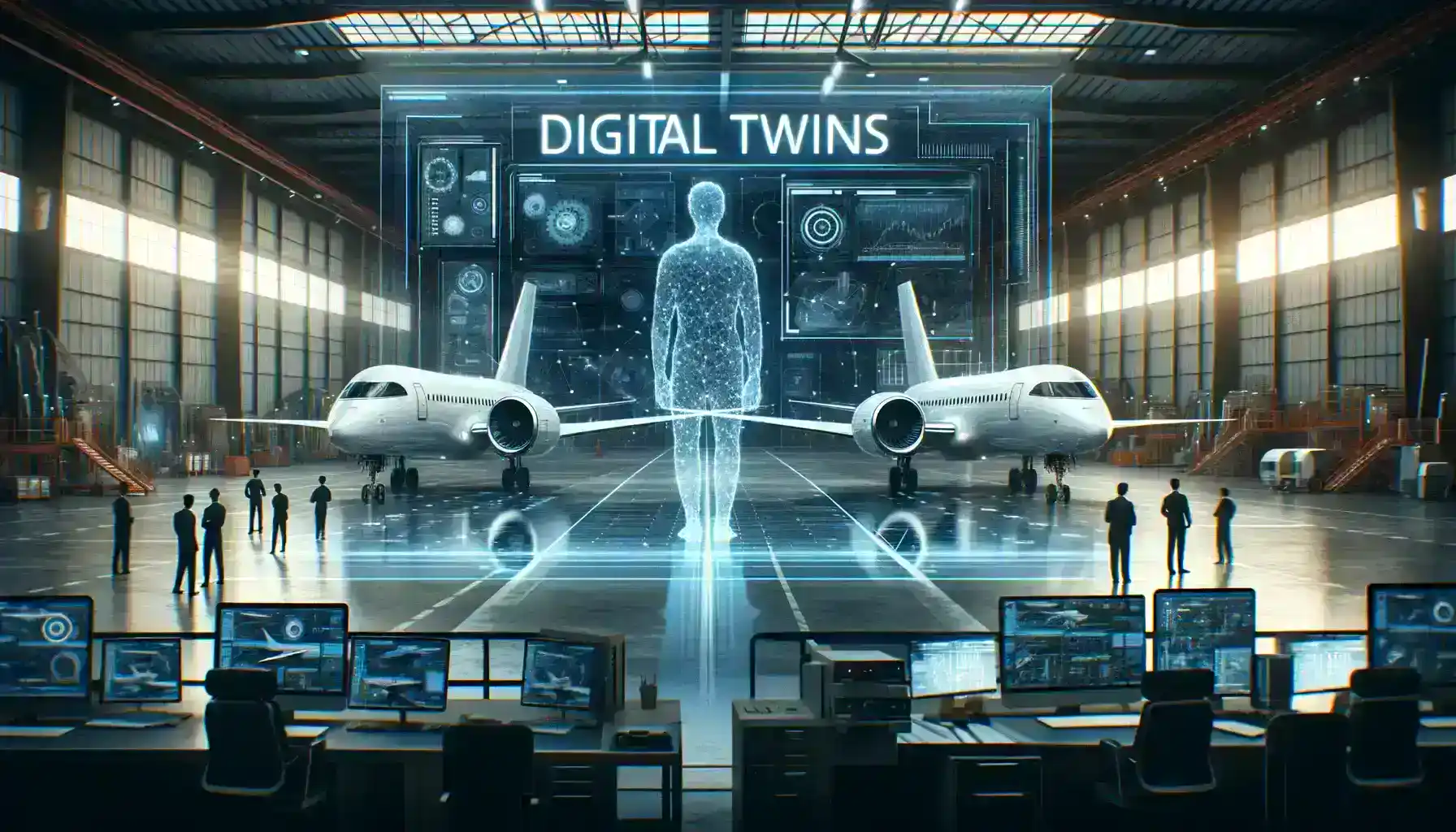
From Concept to Reality: How Digital Twins Transform Industries
Digital twins are no longer a futuristic vision; instead, they have become integral to diverse industries, changing the way assets are managed, monitored, and maintained. By providing a virtual representation of a physical asset, these twins allow for unprecedented insights and optimization opportunities that were previously unimaginable.
Smart Cities and Urban Planning
The integration of digital twins in urban environments is reshaping city planning. A city can be mirrored in digital form, where variables like traffic flow and infrastructure changes can be simulated for better planning. This approach enables the development of interconnected urban ecosystems with improved transportation and resource management. For example, studies suggest improvements in equity of mobility by around 15% due to these technologies. Digital twins are also crucial in achieving sustainability goals like emission caps. By decentralizing data processing through edge computing, cities not only reduce processing delays but also foresee a substantial economic growth potential.
Manufacturing and Production
Manufacturers are leveraging digital twins to transform production processes. By creating virtual replicas of factory floors, they can monitor operations in real-time, identify inefficiencies, and optimize workflows. These virtual models support proactive maintenance and real-time decision making, allowing manufacturers to shift from reactive to data-driven strategies. The result is enhanced quality control, reduced downtime, and improved productivity—elements vital for competition in today's dynamic market.
Energy Sector and Sustainability
Digital twins in the energy sector allow for the integration and optimization of renewable resources with conventional grids, enhancing both efficiency and sustainability. For instance, solar power management through digital twins can facilitate predictive maintenance and smart grid operations, leading to more informed investment decisions. As energy consumption continues to rise, particularly in data centers, utilizing digital twins facilitates resilient and sustainable energy infrastructure planning.
Unseen Symbiosis: The Dual Lives of Physical Assets and Their Digital Counterparts
The symbiotic relationship between physical assets and their digital replicas is fundamentally changing how businesses operate. These dynamic digital mirrors not only reflect their counterparts but also empower proactive management and innovation.
What Exactly is a Digital Twin?
In essence, a digital twin is a virtually-contained reflection of a physical asset. Constantly updated with data from sensors, it mirrors the real-world object’s state and environment in real-time. This creates a living blueprint, continually adapting and evolving as the physical object changes. The complexity and detail captured by digital twins make them indispensable for strategic planning and operational efficiency.
The Symbiotic Relationship
Digital twins excel through their interaction with physical assets. This two-way data exchange allows for a feedback loop, enhancing not just monitoring but also actionable insights. Commands and data flow bidirectionally, providing operators with a crystal ball for potential disruptions and maintenance needs. It's this interactive dimension that turns digital twins from static digital models into dynamic, predictive tools for the modern industry landscape.
Examples in Action
Consider how automakers can employ digital twins to keep tabs on vehicle performance, provide remote diagnostics, or issue software updates over the air. Factories benefit similarly, using digital twins to refine production processes and enhance quality assurance remotely. City planners are leveraging this technology to optimize traffic systems, manage energy use, and improve infrastructure—each a testament to the versatility and transformative capacity of digital twins.
Virtual Realities: Optimizing Maintenance with Digital Twins
With digital twins, maintenance management has entered a new era where anticipated failures and planned interventions are the norm, making unexpected downtimes a rarity.
Predictive Maintenance Powerhouse
Digital twins support predictive maintenance by continuously evaluating the condition and performance of physical assets. Algorithms process sensor data, identifying anomalies or patterns that may predict a malfunction. This proactive approach extends the lifecycle of equipment, minimizing disruptions and averting costly breakdowns.
Reduced Downtime, Increased Efficiency
By predicting and scheduling maintenance activities before failure occurs, organizations can avoid unexpected downtimes. This approach optimizes resource allocation and operational processes, leading to direct cost savings and heightened productivity. Such predictive insights empower maintenance teams, allowing them to focus on strategic tasks and efficiency improvements.
Enhanced Collaboration and Training
The collaborative potential of digital twins also extends into training and remote support. By presenting a shared, real-time model, they enhance cooperation across departments and teams. Furthermore, virtual simulations enable technicians to hone their skills in a risk-free environment, while remote diagnostics allow experts to assist on-the-ground personnel in solving complex issues. This fusion of training and expertise sharing can bridge geographical divides and better prepare teams for technical challenges.
Bridging Worlds: Digital Twins in Predictive Analytics and Optimization
Digital twins don’t just mimic reality; they greatly enhance it by integrating real-time analytics, offering powerful foresight for decision-makers.
AI and IoT Integration
The entwining of digital twins with AI and IoT enriches their potential. IoT devices populate the twin with real-time operational data, while AI processes this data, offering deep insights and future performance predictions. This dynamic integration continuously refines operations, unlocking ever-greater levels of intelligence and adaptability within systems.
Optimizing Performance in Real-Time
Digital twins provide a sandbox for testing scenarios before applying them to physical systems. Performance can be optimized by simulating adjustments and tweaks virtually, ensuring the most effective settings before implementation. In a power plant, for instance, this might involve balancing generation outputs according to fluctuating weather conditions and energy demands, maximizing efficiency while minimizing resource waste.
Driving Innovation and Sustainability
Beyond optimization, digital twins accelerate product development by allowing for virtual prototyping and testing. They help reduce the risk of failure and expedite design-to-market phases. This virtual-first approach curtails physical waste and aligns with sustainable practices, transforming not just processes, but the very ethos of production and consumption across industries.
Through the Data Glass: Enhancing Human Decisions with Digital Mirroring
Digital twins augment human decision-making processes by providing comprehensive data-driven insights and foresight, enabling more strategic and well-informed decisions.
Real-Time Visibility and Oversight
Digital twins provide a holistic view of operations in real-time, breaking down traditional silos. Managers can oversee processes, detect inefficiencies, and make informed decisions swiftly. This comprehensive oversight creates a buffer against unpredictable events, by preparing strategic interventions well in advance.
AI-Augmented Decision-Making
The incorporation of AI within digital twins allows analytics to go deeper, offering pattern recognition and predictive insights that surpass human capabilities. This partnership means humans can focus on creative and ethical judgments, leaving routine problem-solving to AI. Such collaboration enhances overall decision-making quality and aligns actions with strategic business goals.
Experimentation and Simulation
By leveraging digital twins for experimentation, industries can test alterations safely and cost-effectively, avoiding real-world risks. Disruptions can be simulated, responses measured, and systems adjusted to optimize resilience. New policies, technologies, and operational strategies can be trialed and iterated with minimal risk, fostering an innovative and adaptable organizational culture.
Enhancing Urban Planning and Resilience
In urban contexts, digital twins are instrumental for resilient city planning. By simulating various environmental, social, and economic scenarios, planners can refine urban strategies that promote sustainability and quality of life. This approach equips societies to respond adaptively to evolving urban challenges and empowers residents to engage in informed civic participation.
By examining these dimensions, it becomes clear that digital twins hold transformative potential not only as technological tools but as bridges that connect our physical environment with a digital future ripe with possibilities.
Question and Answer
-
What role do digital twins play in the field of predictive analytics within Industry 4.0?
Digital twins serve as a critical component in predictive analytics by providing a dynamic virtual model of physical assets. This model is continuously updated with real-time data from sensors and IoT devices, allowing for comprehensive monitoring and analysis. Predictive analytics uses this data to forecast potential equipment failures or performance issues, enabling proactive maintenance and optimization. This foresight reduces unexpected downtime and improves operational efficiency, which is a cornerstone of Industry 4.0's data-driven approach.
-
How can digital twins contribute to optimization in manufacturing processes?
In manufacturing, digital twins optimize processes by providing a virtual environment to simulate and analyze production lines. Engineers can use these simulations to identify bottlenecks, test changes in workflow, and optimize machine settings without disrupting actual operations. This enables manufacturers to enhance production efficiency, improve quality control, and reduce waste. The ability to simulate different scenarios helps in fine-tuning operations and achieving lean manufacturing goals, ultimately leading to cost savings and increased productivity.
-
What is the significance of simulation in the context of smart cities and digital twins?
Simulation using digital twins is pivotal for smart cities, as it allows urban planners to model and evaluate various urban scenarios before implementation. For instance, planners can simulate traffic patterns, energy consumption, and infrastructure changes to assess their impact on city life. This proactive approach enables cities to optimize resource allocation, improve public services, and achieve sustainability goals. By reducing trial-and-error in real-world environments, digital twins help create more resilient and efficient urban ecosystems.
-
In what ways do digital twins enhance maintenance strategies through predictive analytics?
Digital twins enhance maintenance strategies by providing a platform for predictive analytics, which forecasts potential equipment failures. By continuously analyzing data from the physical asset's digital twin, maintenance teams can detect anomalies and wear patterns early on. This insight allows for scheduled maintenance activities before issues escalate into costly breakdowns, thus extending equipment lifespan and reducing downtime. Predictive maintenance, driven by digital twins, shifts the focus from reactive to proactive strategies, improving reliability and operational uptime.
-
How does the integration of AI and IoT with digital twins transform their application in various industries?
The integration of AI and IoT with digital twins transforms their application by creating intelligent and adaptive systems. IoT devices provide the necessary real-time data, while AI processes this data to identify trends and optimize performance. This combination enables digital twins to not only reflect current conditions but also predict future states and suggest improvements. In industries like energy, manufacturing, and healthcare, this integration supports smarter decision-making, enhances efficiency, and fosters innovation by enabling precise simulations and advanced analytics.