Why Back-To-School Budget Planning Matters
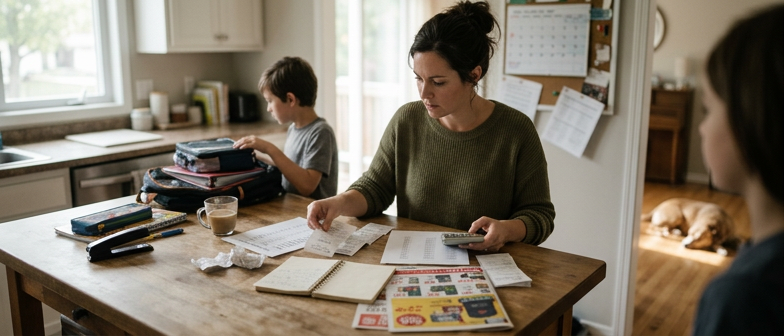
Back To School Budget Planning matters because the start of a new school year often brings a sharp spike in costs, from basic supplies to activity fees and technology. Without a simple numbers-based plan, these seasonal expenses can feel like emergencies instead of predictable events. Treating back-to-school as part of your normal financial routine turns it into a recurring, manageable line in the family budget rather than a surprise. This calmer, numbers-first approach reduces stress, supports more thoughtful choices about what to buy now versus later, and helps short-term spending avoid disrupting rent, bills, savings, or debt payments.
Thoughtful seasonal spending preparation also gives parents time to compare prices, look for low-cost or free options, and decide which items are truly essential for learning. A simple parent budget routine might include reviewing last year’s costs, setting a clear spending limit per child, and separating must-have items from nice-to-have extras. When back-to-school shopping follows a realistic, written plan instead of last-minute pressure, families are more likely to live within their means, limit borrowing, and keep the school year aligned with longer-term financial goals.
Reviewing Last Year’s School Costs
A practical Back To School Budget Planning routine starts with a clear review of what you spent last year. Gather bank and card statements, school emails, and receipts for one full school year, then highlight every education-related purchase. As you build a simple School Supply Cost Review, separate classroom basics such as notebooks, pens, and art materials from tech items and larger fees like sports, music, or field trips. Note which costs were required by the school, which were optional, and which appeared only once, such as a new backpack or calculator, so you can see how much of your spending will likely repeat and how much came from one-off decisions.
Turn that information into a brief Family Education Expense List to guide your seasonal spending preparation for the year ahead. Group your totals into recurring categories, such as supplies, transportation, lunches, clubs, and after-school care, then mark which ones spike at the start of term and which spread out across the year. Look for patterns where you overspent, like buying clothing and shoes at the last minute or paying rush shipping for supplies. By comparing these patterns with your current income and other household bills, you can set realistic limits, adjust your savings plan, and decide early where to scale back without affecting your child’s learning.
| Expense Category | Cost Type | Timing Pattern | Flexibility | Notes for Next Year |
|---|---|---|---|---|
| Basic classroom supplies | Recurring | Spikes at term start | Medium | Buy early in sales, avoid rush purchases |
| Technology and devices | Occasional large item | Irregular | Low | Plan ahead, consider repair or reuse first |
| Sports, music, and clubs | Recurring fees | Spread through year | Medium | Prioritize most used activities |
| Field trips and special events | Optional or semi-optional | Occasional | High | Set a small yearly cap for extras |
| Clothing and shoes | Recurring but flexible | Seasonal spikes | High | Stagger purchases, focus on essentials first |
| Transport, lunches, care | Core recurring | Monthly | Low | Protect in budget, adjust nonessential items |
Building a Simple Family Education Expense List
A Family Education Expense List is a short record of what your household usually spends on school during the year, from supplies and fees to transport, lunches, and activities. Review last year’s bank or card statements around key school dates and note what you actually paid. Group the amounts into clear categories such as one-time back-to-school shopping, regular monthly costs, and occasional extras like trips or sports, so you can see where most of your school budget goes.
Turn these category totals into a simple parent budget routine you can reuse each term. Copy the list, update amounts for new prices or school requirements, and check the total against your income and savings for seasonal spending. Use it to decide what must be bought new, what can be reused, and where to adjust plans early. Keep the list in a budget notebook or simple spreadsheet you look at often to avoid last-minute surprises.
Setting a Realistic Back-To-School Budget
A practical Back To School Budget Planning routine starts with what you learned from last year’s spending. Review receipts, bank statements, and any notes on school costs to see where your money actually went and where you overspent or forgot fees. Use this School Supply Cost Review to set a total amount your household can afford this season without disrupting rent, utilities, food, or regular savings, and treat that number as a firm ceiling.
Once you know your limit, break it into clear categories such as classroom supplies, technology, clothing, activity fees, and transportation. Simple Student Shopping Budget Tips include ranking items as must-have, nice-to-have, or can-wait, and funding essentials first. If new shoes or a backpack cost more than expected, protect your Family Education Expense List by trimming a lower-priority area or delaying a non-urgent purchase, so trade-offs are intentional instead of the slow creep of add-ons.
To keep Seasonal Spending Preparation from turning into short-term credit card debt, decide in advance how you will pay. Many parents use a separate checking account or prepaid card funded only with the money set aside for school so the balance always shows what is left. Clothing And Supplies Planning can also include buying some basics off-season, using school or community supply drives, and spreading purchases over two or three pay periods. A Simple Parent Budget Routine, such as a short weekly check-in during the back-to-school period, helps you adjust if prices are higher than expected while staying within your overall plan.
Prioritizing Needs Over Wants When Shopping
Before any back to school shopping, sit with your child and separate clear needs from extras. Use a simple parent budget routine by listing required items from the school list and your spending limit on one side, and optional things like branded accessories on the other. Talk about which purchases support learning or daily routines and which are mainly for style, so it is easier to say no in the store.
Turn these priorities into practical student shopping budget tips. Enter the store with a target total and a written order of what to buy first, and pay for essentials before looking at extras. Compare prices, choose store brands when quality matches, and delay impulse items with a 24-hour wait. If money remains, decide together whether to buy one small treat or save it for future school expenses.
Clothing, Supplies, and Everyday School Costs
Clothing and supplies are usually the first items families think about when planning a back to school budget. A simple clothing and supplies plan starts with a quick review of what your child already has, what still fits, and what can be repaired or shared between siblings. Instead of buying a full new wardrobe at once, many parents spread purchases across the season, starting with essentials like shoes, outerwear, and a few mix-and-match outfits. This slower approach supports seasonal spending preparation because you can watch for sales over several weeks and avoid putting too much pressure on one paycheck.
Before shopping, complete a short school supply cost review. Use the teacher’s list or the school website to build a family education expense list, grouping items into must-have, nice-to-have, and can-wait categories. Check what is left from last year and replace only what is worn out or truly needed for the new grade. When you compare prices, look at unit costs, and remember that bulk packs are only a bargain if your child will actually use everything. This keeps spending realistic while still making sure students have what they need for class.
Beyond the first shopping trip, everyday school costs can quietly grow if they are not part of your plan. Packed lunches, bus fares, school meals, club fees, sports contributions, and occasional classroom collections add up over a term. Estimate an average weekly amount for these recurring expenses and treat it as part of your regular household budget, not a surprise. Reviewing last year’s bank or card statements can show typical school spending and help you adjust your back to school budget so clothing, supplies, and ongoing costs stay manageable.
Q&A
-
Why is it useful to treat back‑to‑school costs as part of regular budget planning?
Because these expenses happen every year, building them into your normal budget turns them into predictable, planned spending instead of last‑minute emergencies that disrupt rent, bills, or savings. -
How can I review last year’s school spending in a simple, numbers‑based way?
Pull bank and card statements for the school year, highlight every school‑related purchase, and group them into supplies, technology, fees, transport, lunches, and activities to see clear patterns. -
What should I include in a basic family education expense list?
List one‑time back‑to‑school shopping, ongoing monthly costs like lunches or transport, and occasional extras such as sports or trips, then add typical amounts beside each category. -
How do I set a realistic student shopping budget for the season?
Decide how much you can spend without touching essentials or savings, use last year’s totals as a guide, and treat that figure as a firm limit when you shop. -
What is a simple way for parents to prioritize clothing and supplies?
Start by checking what still fits or can be reused, buy only the required items first, and spread non‑urgent clothing purchases across several paychecks to match seasonal sales.